
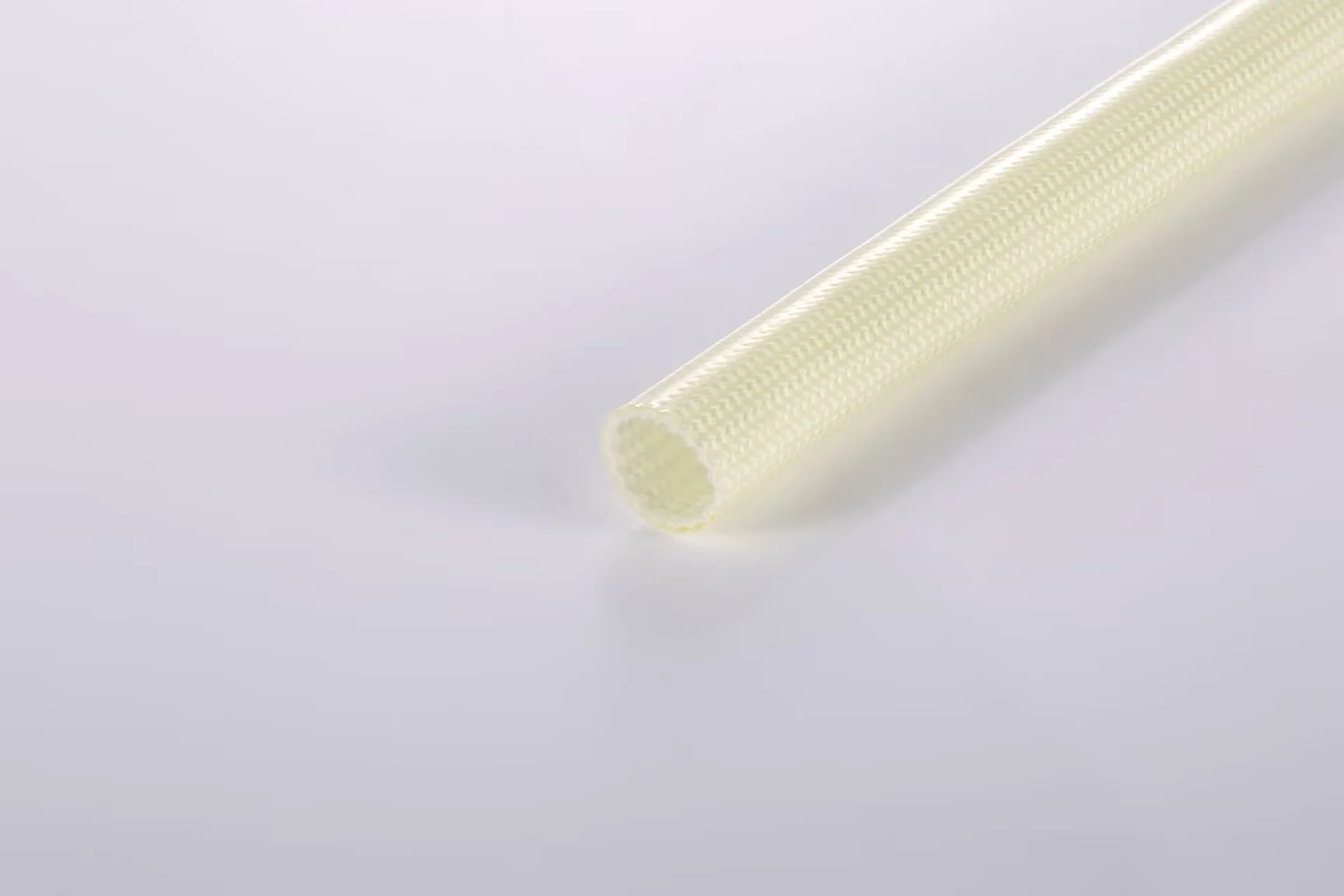
Acrylic fiberglass sleeving
A common 155°C-class direction for motor and transformer insulation where dimensional stability and cost balance matter.
MOTOR ENGINEERING GUIDE
Motor lead wires and winding exits face conductor hot spots, vibration, bending, abrasion and assembly pressure. Select sleeving as part of the complete motor insulation system, not from temperature or voltage alone.
MATERIAL OPTIONS
A common 155°C-class direction for motor and transformer insulation where dimensional stability and cost balance matter.
A 200°C-class direction for higher thermal demand, stable dielectric performance and structured lead-wire protection.
View silicone resin sleevingA flexible 200°C-class direction for routing that needs easier bending and installation around motor assemblies.
APPROVAL CHECKLIST
Published catalog values are starting points. Validate the final grade in the actual motor assembly and applicable end-use standard.
RELATED RESOURCES
Compare continuous temperature, peak exposure and coating chemistry.
Read the guideDefine voltage together with wall build, dimensions and validation conditions.
Read the guideReview lead-wire and winding-connection sleeving for magnetic components.
Read the guideMOTOR PROJECT SUPPORT
Include temperature, voltage, conductor diameter, routing, fluid exposure, approval target, color, cut length and estimated demand.